

Explore the Benefits of Biofuels
A Flexible Path to Lower Carbon Shipping
Explore how biofuels can help reduce emissions today. Explore the opportunities for your fleet.
Drop-in fuel solution
A Fuel Available Today
Decarbonisation for Your Fleet
Delivering regulatory compliance
As a proven drop-in solution, biofuels help customers meet regulatory requirements and sustainability objectives, without disrupting operations and engines can use biofuels efficiently with no modifications.
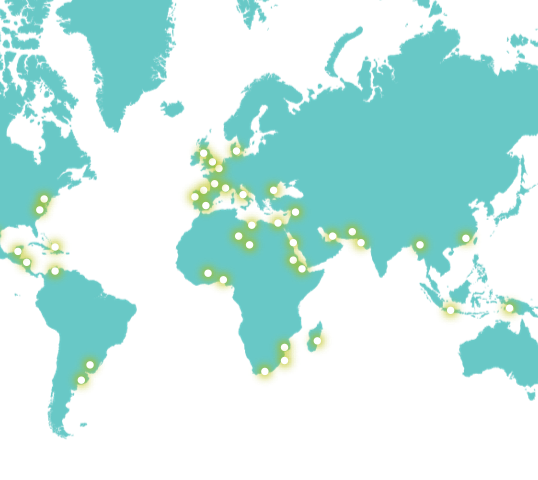
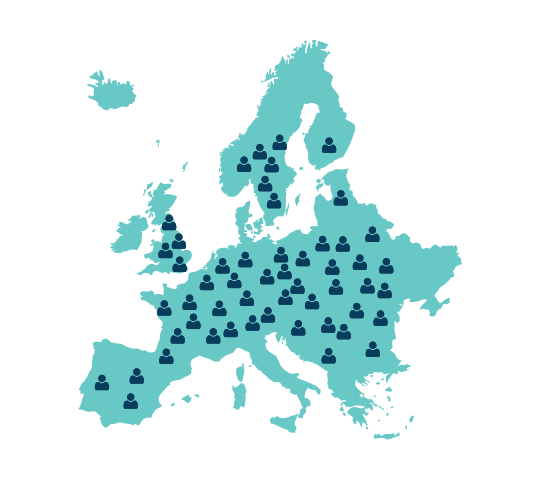
Biofuels are available at major bunkering locations worldwide and can often be supplied using existing fuel infrastructure. Through Peninsula's global network of over 500 ports, vessel operators can access lower-carbon fuel solutions in multiple locations today.
For fleet operators, biofuels offer a highly scalable decarbonisation solution, enabling adoption across individual vessels, trade routes and entire fleets. Through continued investment in sourcing, blending and supply capabilities, Peninsula helps ensure biofuels remain a practical, accessible and scalable pathway to fleet-wide emissions reduction.
As environmental regulations continue to evolve, biofuels can help vessel operators address carbon reduction requirements and support compliance strategies under frameworks such as FuelEU Maritime and other emission reduction initiatives.
As part of our multi-fuel approach to maritime decarbonisation, we provide reliable access to certified biofuel blends that can be used immediately within existing vessel infrastructure, helping customers reduce lifecycle greenhouse gas emissions without significant operational changes.
Biofuels are an established part of the marine energy mix, offering a practical way to reduce emissions without major changes to vessel operations, backed by integrated sourcing, blending, logistics and delivery across key bunkering locations.

Marine Biofuels:
A practical way to reduce emissions
Our biofuel guide showcases how we can support your decarbonisation strategy, reduce emissions and help meet evolving environmental regulations.

Why choose Peninsula for biofuels?







Biofuels – FAQs
Do I need biofuels to comply with FuelEU Maritime, the EU ETS and IMO CII?
Biofuels are one of the fastest and lowest-effort ways to meet today’s main maritime regulations with no investment in your vessel. Biofuels blend directly with the conventional fuels currently consumed such as VLSFO, HSFO, LSMGO and immediately lower the greenhouse gas (GHG) intensity of the energy used on board:
- FuelEU Maritime sets GHG-intensity limits for the energy used onboard and biofuels help you stay below them.
- EU ETS: a pure B100 biofuel almost counts as zero-carbon, reducing the allowances you need to surrender.
- IMO CII: biofuels improve your carbon-intensity rating.
Biofuels are not the only route to compliance, but they are a true “drop-in” one — effective from your very next bunkering.
Will biofuels work with my engine and existing fuel system?
In most cases, yes with no engine modification. Blends up to B30 behave very much like conventional fuel and can be supplied by standard product tankers. Higher blends (B30 up to pure B100) deliver larger savings and may have specific handling considerations. All our blended products are designed to meet ISO 8217:2017/2024 marine fuel standards, and the FAME component meets EN14214.
How much can biofuels reduce my emissions?
It depends on the blend and feedstock, but the savings are significant. A pure B100 can cut GHG emissions by up to ~90% versus conventional fuel. At our main supply locations, typical certified savings are around 85%. We supply only 2nd-generation biofuels made from waste and residues (such as used cooking oil), which qualify under maritime regulations such EU ETS, Fuel EU maritime and IMO Net-Zero Framework.
What documentation will I receive to prove compliance and sustainability?
Every sustainable fuel we deliver comes with the documentation regulators and auditors expect. Depending on the product, you receive an ISCC EU Proof of Sustainability (PoS) or a Proof of Compliance (PoC), issued within 30 days of delivery. Peninsula is ISCC EU certified, guaranteeing full traceability and fully sustainable, GHG-reducing supply chains, in line with RED II. This is the paperwork that protects you from regulatory penalties and supports your own reporting.
Which biofuels can I get, and at which ports?
We supply 2nd-generation FAME biofuels — mainly UCOME (from used cooking oil), plus POMEME/FWME at selected locations.
| Physical Locations | Feedstock | Blends available |
|---|---|---|
| Gibraltar / Algeciras / Malaga | UCOME | B10 to B100 |
| ARA / English Channel | UCOME | B10 to B100 |
| Netherlands | POMEME / FWME / UCOME | B10 to B100 |
| Barcelona / Tarragona | UCOME | up to B24 |
| Panama | UCOME | Up to B30 |
We also supply biofuel through our global back-to-back trading network, covering more than 500 ports worldwide. Our experienced teams are on hand to support customers with biofuel bunkering enquiries.
How do I order, and is bunkering any different from conventional fuel?
Ordering is straightforward, and bunkering itself takes about the same time as conventional fuel (driven by pumping and receiving rates). We ask for as much notice as possible — typically 5–10 days at ports where we hold biofuel in storage. If you expect steady demand, we can discuss term contracts and secured availability rather than buying ‘on spot’ basis.
How does maritime Carbon Insetting work?
Sustainable biofuels are supplied to vessels operating within the maritime sector, generating verified emissions reductions. Through a Book & Claim methodology based on Mass Balance principles, these emissions reductions can be allocated independently of the physical shipment route.
Peninsula’s approach follows the Smart Freight Centre Guidelines and GLEC Framework, enabling transparent and credible Scope 3 emissions reporting.
Do you offer Carbon Insetting (EACs)?
Yes, EACs (Environmental Attribute Certificates) represent certified emissions reductions generated within the same transport sector, enabling companies to decarbonise logistics today, without waiting for structural changes.
Carbon insetting delivers in sector CO₂e reductions by replacing fossil fuels with sustainable biofuels within the maritime supply chain. These reductions are allocated to your account via Book & Claim methodology, allowing credible Scope 3 emissions reporting.
With Peninsula, you can purchase biofuel for a vessel operating on renewable fuels in key locations close to major trade routes and allocate the resulting Scope 3 CO₂e emissions reductions to your account, helping advance your decarbonisation strategy today.
Peninsula carbon insetting offers a practical and scalable solution.
Learn more:
Sustainable Marine Biofuels
Biofuels are renewable liquid fuels produced from biogenic feedstocks such as agricultural residues, waste cooking oils, and other non-petroleum organic materials. These products are available in their pure form (B100 or HVO100), which contain no fossil content, and can also be blended at any ratio with conventional marine fuels.

Speak with our experts
Our biofuel team is here to help with availability, technical guidance and fuel selection.
Read our biofuels insights
View all insights-
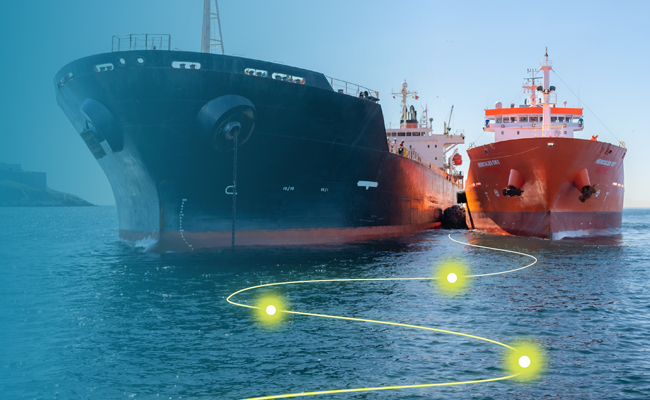
Biofuel adoption is accelerating, with success now dependent on practical implementation.
-
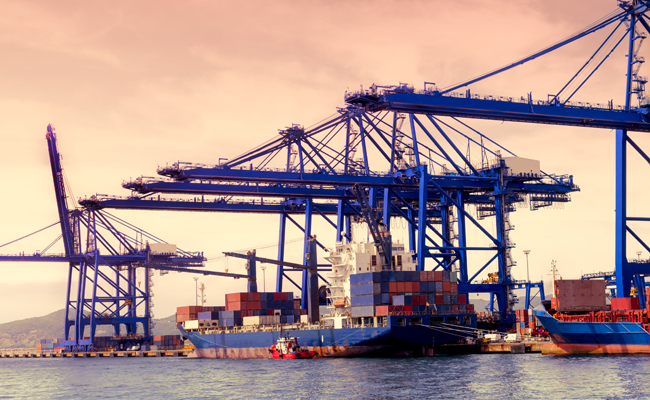
Partnership to develop dedicated biofuel storage infrastructure
-

Why certification matters in the energy transition.